

How Timely Pruning Supports Stronger Trees and Safer Outdoor Spaces
Regular tree pruning helps trees grow in a healthier, safer, and more balanced way. It removes weak, dead, or crowded branches before they cause bigger problems. Done at the right time, pruning can improve airflow, let in more sunlight, lower storm damage risk, and help a tree keep its natural shape. In places like Richland Hills, TX, changing weather can also affect when and how pruning should happen.
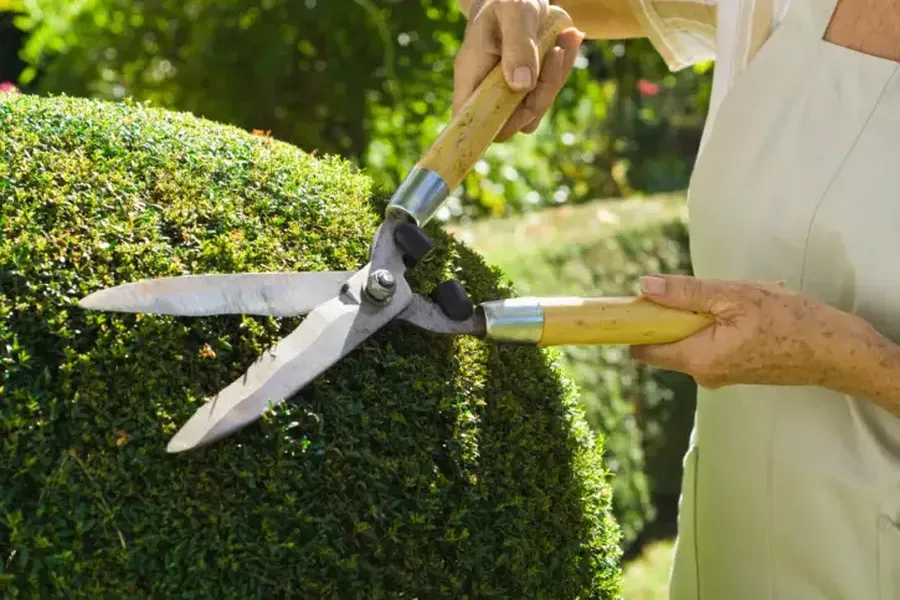
Why prevention matters
Tree care works best when small issues are handled early. A branch that looks harmless today can become heavy, split, or rub against other limbs later. Seasonal pruning helps stop that cycle. It also helps trees use their energy better. Instead of feeding damaged or crowded limbs, the tree can focus on healthy growth. This kind of regular care supports both young trees and older ones. It also works well alongside shrub trimming and other outdoor upkeep.
Early warning signs
Many trees show clear signs when they need attention. You may see branches crossing each other, dead tips, low limbs over a driveway, or thick growth in the center of the canopy. Some trees start leaning unevenly because one side is too heavy. Others grow too close to a roof, fence, or power line. These are warning signs that routine pruning may be needed before damage happens.
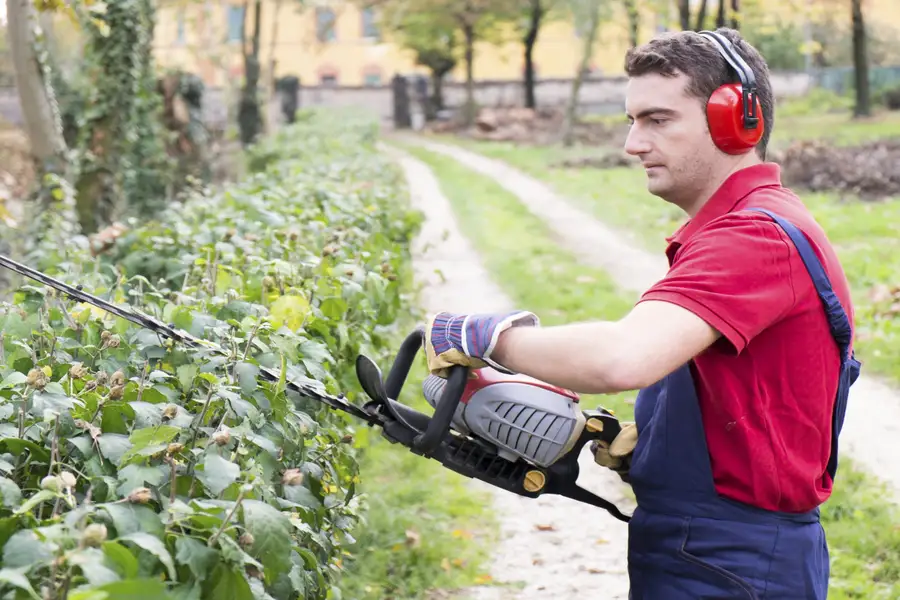
- dead or broken branches
- limbs touching the house or garage
- branches blocking walkways
- thick interior growth with little air movement
- signs of disease in one area of the tree
- storm-damaged limbs hanging loose
When these signs are ignored, the tree may struggle more each season. Pests and decay can spread faster in weak wood. In some cases, one bad branch can affect the shape and health of the whole tree.
Seasonal or routine checklist
A simple pruning schedule can help property owners stay ahead of trouble. Different trees respond better at different times of year, but a seasonal check is a smart habit. This is also a good time to review nearby plantings, including shrub trimming, lawn edges, and overall landscape care. If your property has a mix of trees and shrubs, routine checks can catch problems before they spread.
- inspect the tree from the ground each season
- look for dead, cracked, or rubbing branches
- check for limbs growing toward structures
- note any dense areas blocking light and air
- remove small weak growth when safe to do so
- watch how the tree responds after storms
- schedule larger pruning before damage gets worse
This checklist supports healthy growth over time. It also helps people spot the difference between a light cleanup and a larger job that needs expert tools. If your property includes ornamental trees, shade trees, and shrubs, a broad service category keyword can apply to the full outdoor care plan.
Best practices for long-term results
Good pruning is not about cutting as much as possible. It is about making smart cuts in the right spots. Clean cuts help the tree seal naturally. Removing too much at once can stress the tree and slow recovery. A better plan is to shape the tree over time. That gives it a stronger structure and a more even look.
Another good practice is to prune with a goal in mind. One tree may need clearance over a sidewalk. Another may need weight reduced on one side. A younger tree may need help building a strong branch pattern. Older trees may need deadwood removal and crown thinning. Seasonal care also pairs well with shrub trimming because both help keep a yard neat, open, and easier to manage.
Long-term results also depend on timing. Some trees do best with pruning during dormancy. Others benefit from light work after blooming. Knowing the growth habit of the tree matters. Poor timing can lead to weak regrowth or fewer flowers the next season.
What not to do
Bad pruning can cause more harm than no pruning at all. One common mistake is topping, which means cutting back large branches without regard for the tree’s natural shape. This can lead to fast, weak regrowth and higher break risk. Another mistake is making flush cuts too close to the trunk. That can damage the branch collar and slow healing.
People also run into trouble when they remove too many limbs at one time. Trees need leaves to make food. Taking too much green growth can stress the tree and leave it open to pests or sun damage. Using dull tools is another issue. Rough cuts are harder for a tree to recover from. The same care should be used with shrub trimming, since overcutting shrubs can thin them out and make them look patchy.
When to schedule professional help
Some pruning jobs are simple, but others have real safety risks. Large limbs, tall canopies, storm damage, and trees near wires should be handled by a trained crew. A professional can also help when the tree has signs of disease, poor structure, or heavy overgrowth. In those cases, the goal is not just appearance. It is safety, plant health, and lasting results.
Expert help also makes sense when several parts of the yard need work at once. A property may need tree shaping, shrub trimming, cleanup, and branch removal in one visit. That kind of planned service can save time and help the whole landscape stay in better shape through the year.
Get help with healthy tree care
If you are seeing overgrown limbs or storm damage in Richland Hills, TX, we can help you plan the right next step. AB Tree Service handles pruning and shrub trimming with care for healthy growth and safer yards. Call us at (817) 386-8074 to set up service or ask questions about your trees.