

Simple Ways to Keep Bushes Healthy and Shaped the Right Way
Many shrub problems start with small trimming mistakes. People often cut at the wrong time, remove too much at once, or use dull tools. These errors can leave shrubs thin, weak, or uneven. If you want healthy bushes that grow well year after year, it helps to spot these problems early and follow a simple care routine.
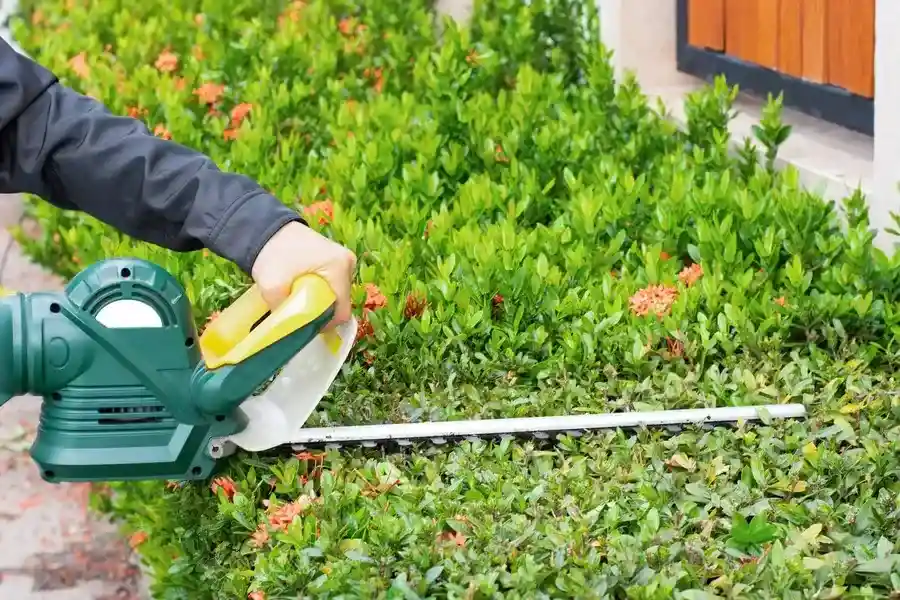
Why prevention matters
Good shrub trimming is not just about looks. It also helps shrubs stay full, strong, and healthy. When trimming is done the wrong way, plants can struggle to grow back. Some may bloom less. Others may develop dead spots or weak branches. A little care now can help stop bigger yard problems later.
Many homeowners trim shrubs when they have free time instead of when the plant is ready. That can hurt new growth. It can also change the shrub’s natural shape. Prevention matters because it saves time, cuts down on plant stress, and helps avoid damage that may take a whole season to fix.
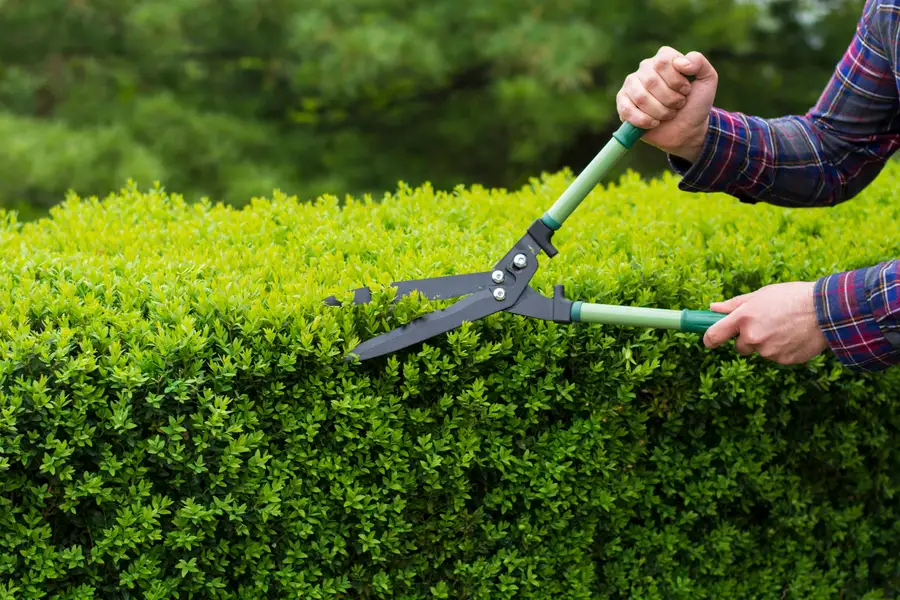
Early warning signs
You can often tell a shrub has been trimmed the wrong way by how it looks after a few weeks. Some signs show up fast. Others take longer. If you catch them early, you have a better chance to help the plant recover.
- Brown tips after cutting
- Large empty spots in the middle
- Flat tops with thin sides
- Very slow regrowth
- Fewer flowers than usual
- Crossing or broken branches
- New shoots bunched only at the outer edge
These clues often point to poor timing, over-cutting, or bad tool use. They can also mean the shrub needed a different kind of cut than the one it got.
Seasonal or routine checklist
A simple routine helps prevent common mistakes. Different shrubs grow in different ways, but a basic checklist works for most yards. If a shrub flowers in spring, wait until the blooms are done before trimming. If it flowers later in summer, light shaping earlier in the season is often fine.
- Check the plant type before cutting anything.
- Look for dead, weak, or damaged branches first.
- Clean and sharpen tools before each job.
- Trim a little at a time, then step back and look.
- Keep the top slightly narrower than the bottom.
- Stop before more than one-third is removed.
- Clean up clippings so pests and disease are less likely.
This routine is helpful for general landscape maintenance and can keep shrubs looking neat without causing stress. A steady schedule usually works better than random heavy cuts.
Best practices for long-term results
One of the best habits is learning the shrub’s natural shape. Not every bush should be cut into a tight square or round ball. Some look better with a softer form. When you follow the plant’s natural growth pattern, it usually stays fuller and healthier.
Another good practice is selective pruning. This means removing a few branches at their base instead of shearing the whole outside. It lets light and air move through the plant. That can help reduce weak inner growth and make the shrub look more natural.
Tool choice matters too. Hand pruners, loppers, and hedge shears all do different jobs. Using the wrong one can crush stems instead of making a clean cut. Clean cuts heal better and help lower the chance of plant stress.
What not to do
Many common shrub trimming mistakes happen because people rush. A fast trim may seem easier, but it can create problems that last for months. Knowing what not to do can help you avoid avoidable damage.
- Do not trim every shrub the same way.
- Do not cut during extreme heat or drought.
- Do not remove too much green growth at once.
- Do not ignore dead branches inside the plant.
- Do not use dull, rusty, or dirty tools.
- Do not shear flowering shrubs right before bloom time.
- Do not leave the bottom shaded by a wide top.
Another mistake is topping shrubs flat across the top year after year. This can force growth to the outer shell while the inside becomes bare. Over time, the shrub may look big from a distance but weak up close.
People also make mistakes by trimming too late in the season. Late cuts can push soft new growth that does not have time to harden before cold weather. That fresh growth may suffer damage and leave the plant looking rough in the next season.
When to schedule professional help
Some trimming jobs are simple. Others need more care. Large, overgrown shrubs can be hard to shape without causing stress. Older plants may need renewal pruning instead of basic cutting. If a shrub is close to windows, walkways, fences, or power lines, the work can get harder fast.
Professional help also makes sense when shrubs have lost their shape for several years. A trained crew can tell if the plant needs light shaping, deeper pruning, or a full recovery plan. This is useful when you want better curb appeal but do not want to risk harming healthy growth.
If you are not sure when to cut, how much to remove, or which tool to use, it is smart to ask before making a major cut. Fixing a bad trim is often harder than doing the job right the first time.
Get help with healthier shrubs
For help with shrub trimming in Richland Hills, TX, we can answer questions about timing and care. At AB Tree Service, we help homeowners avoid damage and keep shrubs looking clean and healthy. Call us at (817) 386-8074 if you’d like us to take a look and recommend the next steps.