

Safer Yards and Better Curb Appeal Often Start With Smart Tree Care
How tree cutting enhances property safety and aesthetics comes down to two simple benefits. It removes weak, dead, or risky limbs that can fall and cause harm. It also helps trees look cleaner, healthier, and more balanced. On homes and commercial properties in Richland Hills, TX, careful trimming and removal can lower risk while making outdoor spaces feel open, neat, and inviting.
Quick Answer
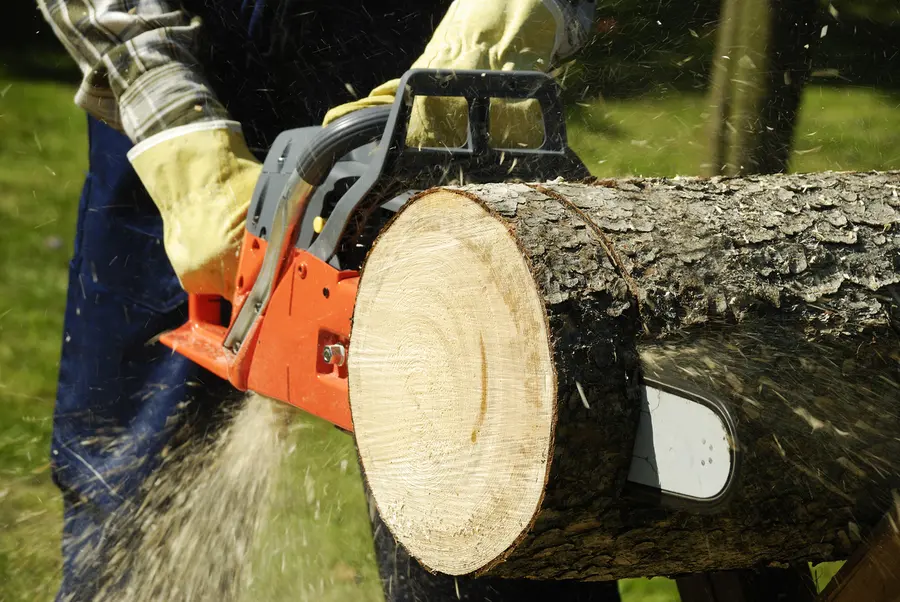
tree cutting helps protect people, buildings, cars, and walkways from falling branches and unstable growth. It also improves the way a property looks by shaping overgrown trees, letting in more light, and clearing views of the home or landscape. When done at the right time and in the right way, this work supports both safety and appearance.
What You Need Before Starting
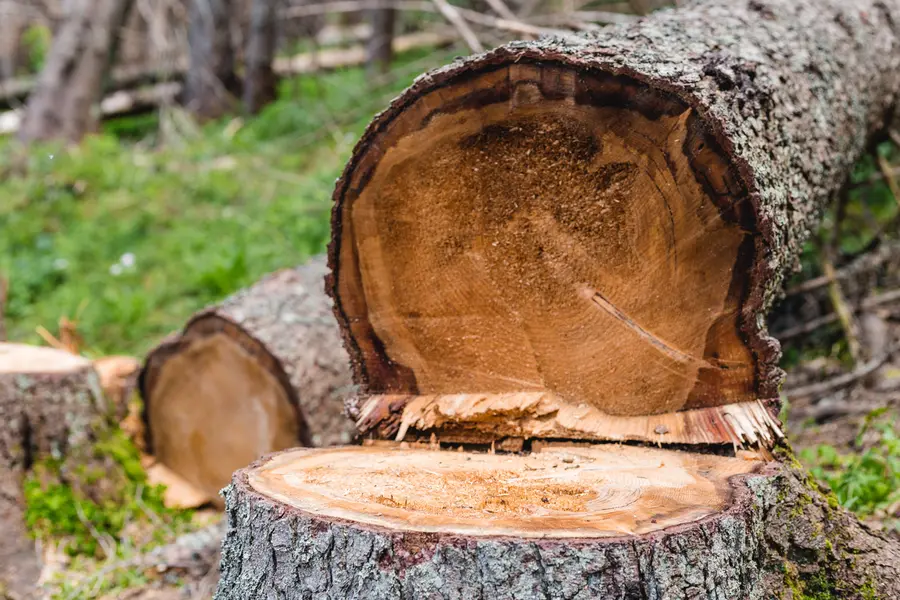
Before any tree cutting begins, it helps to look at the tree closely. Check for dead limbs, cracked branches, signs of rot, poor shape, and limbs hanging over roofs, driveways, or power lines. Think about the tree’s size, age, and location. A small limb over open grass is very different from a heavy branch over a front porch.
You should also know your goal. Some people want to lower storm risk. Others want more sunlight on the lawn, a clearer view, or a tidier yard. When the goal is clear, the job is easier to plan. This is also a good time to think about related outdoor care work, even if the service category keyword is not listed here. Tree care often connects with cleanup, pruning, and site safety.
Step-by-Step Process
A simple plan can make tree cutting safer and more useful. Here is a basic process many property owners follow:
- Walk around the property and spot risky limbs or overgrown areas.
- Look for branches touching the roof, siding, fence, or utility lines.
- Mark dead, broken, or rubbing limbs that should come off first.
- Decide if the job is light trimming or full branch removal.
- Clear the ground below so people and items are out of the way.
- Cut with care to keep the tree balanced and healthy looking.
- Remove debris so the yard looks clean and safe after the work.
This process does more than tidy a tree. It lowers the chance of branch drop, pest trouble, blocked walkways, and dark, crowded spaces around the home. It can also help grass and garden beds by letting in more sun and air.
Common Mistakes to Avoid
Many problems happen when tree cutting is rushed or done without a clear plan. One common mistake is removing too much at once. That can stress the tree and leave it weak or uneven. Another mistake is cutting branches in random spots, which can lead to poor healing and rough regrowth.
People also make the mistake of ignoring branch weight. A large limb may look stable until it shifts and tears bark as it falls. Cutting near power lines is another major risk. Even work that seems small can turn dangerous fast when tall trees, ladders, and heavy wood are involved.
- Do not cut large limbs without a safe drop zone.
- Do not remove too much of the canopy at one time.
- Do not leave hanging or split branches in place.
- Do not treat every tree the same.
- Do not work near utility lines without expert help.
When to Call a Professional
Some jobs are not safe for a do-it-yourself approach. If a tree is close to a house, leaning, partly dead, storm-damaged, or tangled in wires, expert help is the smart next step. Large trees can hold a lot of weight, and one wrong cut can damage roofing, siding, windows, fences, or nearby landscaping.
A trained crew can also help when the tree needs shaping, not just cutting. Good cuts support the tree’s structure and help it keep a natural form. That matters when you want to keep shade and beauty without the hazards of overgrowth. Professional work can also help spot hidden decay, trunk cracks, root trouble, and other issues that are easy to miss from the ground.
Why Safety and Appearance Go Together
Property safety and curb appeal are often linked. A tree with dead limbs, low branches, or thick overgrowth can make a yard feel neglected and risky. After proper tree cutting, the space often feels brighter, cleaner, and easier to use. Walkways open up. Rooflines show better. Outdoor seating areas feel more pleasant. The whole property can look more cared for.
This is helpful for homeowners, landlords, and business owners alike. People notice clean lines, healthy canopies, and open views. At the same time, they benefit from fewer hazards above driveways, patios, and entry paths. Good tree work is both practical and visual, which is why it adds value in more than one way.
Final Recommendation
If your trees block light, scrape the roof, drop dead limbs, or make the yard look overgrown, now is a good time to act. In Richland Hills, TX, tree cutting can help reduce storm risk, improve daily safety, and give your property a cleaner look. If you’d like a clear plan for your yard, contact AB Tree Service. We can inspect the trees, explain the safest next steps, and help you schedule service at (817) 386-8074.