

Yes, Removing the Stump Is Often the Safer and Cleaner Choice
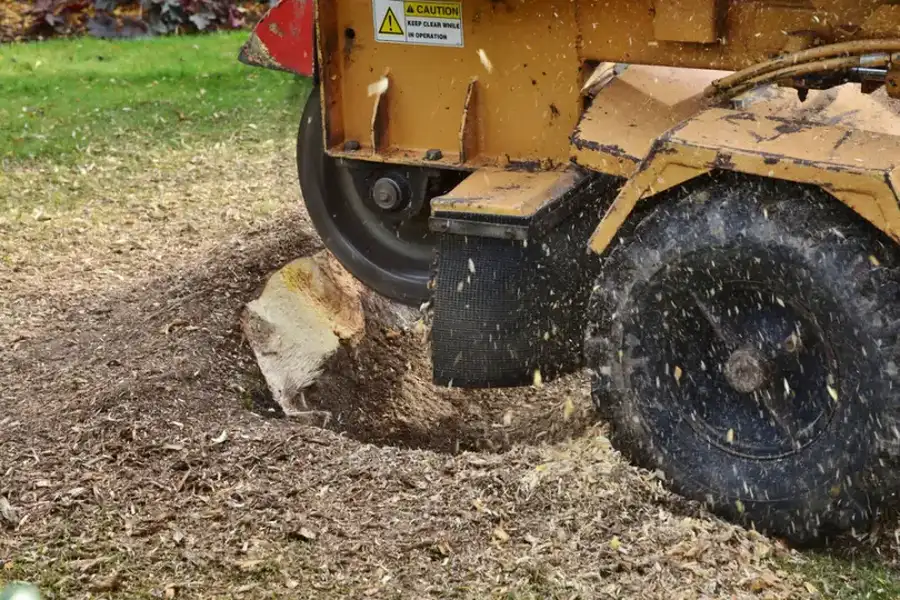
Yes, stump removal is often a smart step after a tree comes down. A leftover stump can cause yard problems, attract pests, and get in the way of mowing or new landscaping. In many cases, tree stump grinding is the easiest way to deal with it. If the stump is small and out of the way, some property owners may leave it alone for a while. Still, most people decide that removing it brings better long-term results.
Quick Diagnosis Summary
If you are asking whether tree stump grinding is needed, the short answer is this: it depends on the stump’s size, spot, and condition. A stump near a walkway, driveway, garden bed, or play area is more likely to cause trouble. A stump that starts to rot can also invite insects and fungus. When a stump stays in the yard, it does not just sit there quietly. It can change how you use the space and how the yard looks.
Common Symptoms
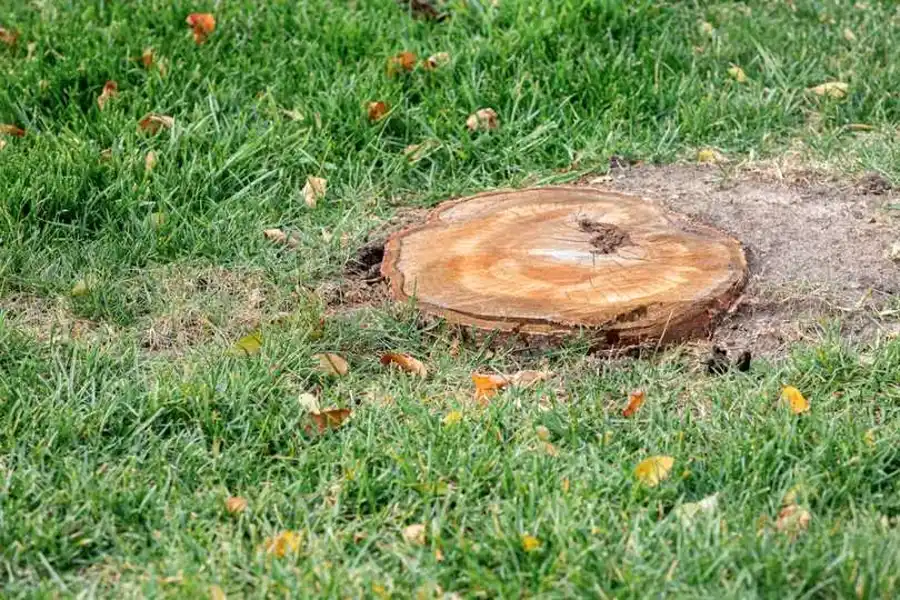
A leftover stump can create problems that show up slowly. At first, it may just seem ugly or annoying. Later, it may become a bigger issue. Some stumps send up new shoots. Some start to break apart. Others hide in tall grass and become a tripping risk. These are common signs that the stump should not stay much longer.
- The yard is harder to mow
- Kids or guests trip near the stump
- New sprouts grow around the old base
- Ants, beetles, or termites show up nearby
- The stump starts to rot and smell bad
- You want to replant or use the area
Likely Causes
These problems happen because a stump is still part of the old tree, even after cutting. Roots may stay alive for some time. Moist wood can pull in insects. As the wood decays, it weakens and breaks down into the soil. That sounds harmless, but it can create soft spots, pest activity, and uneven ground. In some cases, roots near the surface can also affect nearby grass or planting plans.
If this is part of a larger outdoor project, stump removal may also fit into your general service category plans for clearing and improving the yard. Taking care of the stump early can make the rest of the work much easier.
What to Check First
Before deciding, take a close look at the stump and the area around it. A few simple checks can help you decide if removal should happen now or later. You do not need special tools for this first step. You just need to think about safety, yard use, and future plans.
- Check the stump’s size and width.
- See how close it is to paths, fences, or structures.
- Look for signs of rot, insects, or fungus.
- Notice if roots are lifting soil or nearby grass.
- Think about whether you want to plant or build there.
- Watch for green shoots growing from the base.
If several of these signs are present, tree stump grinding is usually worth doing sooner rather than later.
Safe Fixes Vs Pro-Level Fixes
There are a few ways people try to handle an old stump. Some dig by hand. Some use chemicals to speed decay. Some just cut it lower and leave it. These options may work in very limited cases, but they often take more time and may not solve the full problem.
Tree stump grinding is often the most direct solution because it reduces the stump below ground level. That gives you a flatter surface and helps you use the area again. Hand digging may work for very small stumps with shallow roots, but large stumps are hard to remove without equipment. Chemical treatments can take months and may still leave wood and roots behind.
A trained crew can also spot issues you may miss, like root spread, buried lines, or tight access points. That matters when the stump sits close to a home, patio, or utility area.
Prevention Tips
The best way to avoid stump trouble is to make a plan right after tree removal. Many property owners wait because the stump does not seem urgent. Then they find out later that the yard is harder to maintain or pests have moved in. Acting early can help prevent those issues.
Here are a few simple ways to avoid future problems:
- Remove the stump soon after the tree is cut down
- Do not pile mulch too high around a decaying stump
- Watch the area for insect activity
- Cut back shoots if the stump starts sprouting
- Keep the area clear until you decide on removal
- Plan ahead if you want sod, seed, or a new planting bed
Final Recommendation
When a stump is small, hidden, and far from activity, you may be able to leave it for a short time. But in most yards, stump removal is the better choice. It helps with safety, appearance, and future use of the space. If you are dealing with a large stump, pest signs, or plans for new landscaping, tree stump grinding is often the most practical answer.
Get Help With the Next Step
If you have a stump causing problems in Richland Hills, TX, we can help you decide the best next step. Our team at AB Tree Service handles stump concerns with care and clear guidance. Call us at (817) 386-8074 to talk about your yard and set up service when you are ready.