

How to Deal With Trees That Have Grown Too Large for the Space
Overgrown trees can block sunlight, hang over roofs, crowd power lines, and drop weak limbs without warning. Tree cutting helps bring the tree back under control, improve safety, and protect your yard. in Richland Hills, TX, this can also help prevent damage during wind and storm season. the right plan depends on the tree’s size, where it stands, and how much growth needs to come off without harming the tree.

Quick Answer
the best way to manage an overgrown tree is to trim it with a clear goal. that may mean reducing height, thinning thick limbs, or removing branches that rub, crack, or hang too low. tree cutting should be done in a way that keeps the tree stable and healthy. if the tree is near a home, fence, driveway, or utility line, extra care is needed. some jobs are simple, but large cuts high off the ground are often safer for a trained crew.
What You Need Before Starting
before any cutting starts, take a good look at the tree and the area around it. check for dead limbs, split branches, hollow spots, and limbs growing toward the house. also look at the ground. soft soil, roots near walks, and slopes can change how safe the work will be. basic yard work tools may help with very small limbs, but larger branches need stronger equipment and a solid plan.
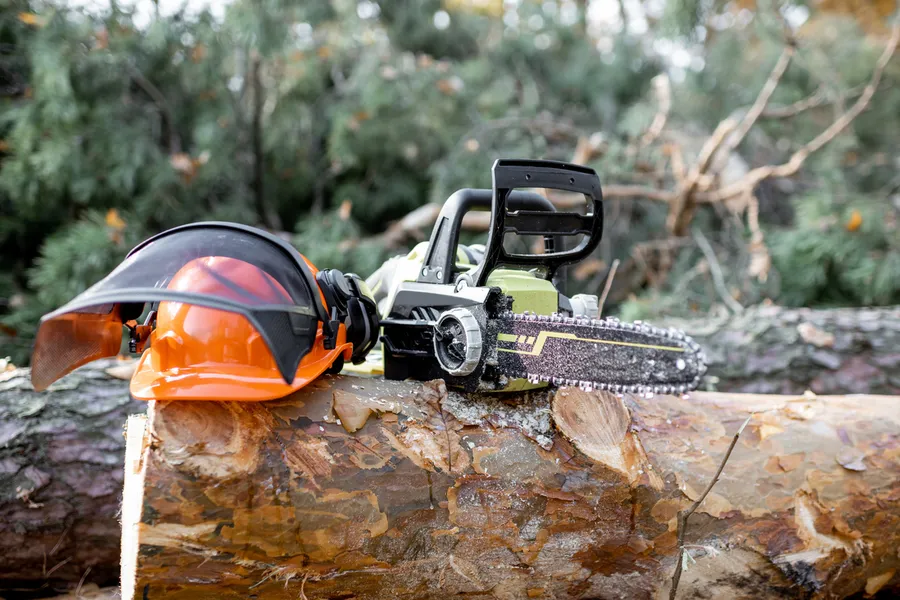
it also helps to know the goal of the work. some trees need shape control. others need clearance over roofs, sidewalks, or sheds. if the tree has not been cared for in years, tree cutting may need to be done in stages. that lowers stress on the tree and keeps too much weight from being removed at one time. this kind of outdoor work may fall under a wider service category, even if the main job is focused on branch and canopy control.
Step-by-Step Process
a simple process can help you plan the job more safely and get better results.
- look at the full tree from a distance and spot the heaviest growth.
- mark dead, broken, and crossing branches first.
- clear low limbs that block walking, mowing, or parking.
- thin crowded areas so air and light can move through the canopy.
- reduce long outer branches that are pulling the tree off balance.
- step back often and check the shape after each group of cuts.
- clean up fallen limbs right away to keep the area safe.
this process sounds simple, but balance matters. random cuts can leave the tree uneven or weak. a good cut is made at the right spot so the branch can seal over well. that is one reason tree cutting should be done with care, not rushed.
Common Mistakes to Avoid
one common mistake is cutting too much at once. when too many limbs are removed, the tree can go into shock. another mistake is topping the tree. that means cutting the main top off in a harsh way. topping often leads to weak regrowth, poor shape, and more breakage later. people also make bad cuts flush against the trunk, which can slow healing.
another problem is ignoring branch weight. a long heavy limb can tear bark down the trunk if it is cut the wrong way. ladders placed on uneven soil also create risk fast. if a branch sits over a roof, car, or fence, one wrong move can lead to costly damage.
When to Call a Professional
some tree cutting jobs are best left to professionals from the start. call for help when the tree is tall, very dense, storm-damaged, or close to power lines. expert help also makes sense when limbs hang over a home or when the tree leans and shows root trouble. trained crews know how to lower heavy limbs in sections and reduce risk to people and property.
professional service can also help if you are not sure whether the tree should be trimmed or removed. sometimes a tree looks overgrown but is really unhealthy inside. a close inspection can spot decay, insect damage, or weak branch unions that are easy to miss from the ground.
Final Recommendation
overgrown trees do not just look messy. they can become unsafe and harder to manage the longer they are ignored. smart tree cutting can restore shape, improve clearance, and lower the chance of broken limbs. small pruning needs may be manageable, but large or risky jobs should be handled with the right skill and equipment. if a tree is starting to crowd your space, acting sooner usually leads to better results and less stress on the tree.
Get Help With Your Next Step
if you have overgrown trees in Richland Hills, TX, we can help you plan the safest next step. our team at AB Tree Service handles tree cutting with care and clear communication. call us at (817) 386-8074 if you’d like us to take a look and talk through your options.